













07/10/2026
If you have ever asked for a rubbish collection quote and then felt that little knot in your...
Waste Disposal Ealing provides rubbish disposal and clearance services in Ealing for homes, landlords, trades and businesses that need unwanted items removed in a practical way. The main service covers general rubbish collection alongside more specific clearance work, so customers can choose the most suitable approach for household waste, office items, furniture, garden waste or light construction debris. The aim is straightforward: remove waste responsibly, keep the process organised and make it easier to clear space without unnecessary disruption.
Our service pages set out the main options in more detail, including our services overview, waste clearance in Ealing and rubbish collection in Ealing. If you are comparing disposal options for a specific type of load, it may also help to look at prices and the page on pricing and quotes before you decide what to send over for a quotation.
For a simple start, tell us what needs removing, where it is located and whether the items are already separated. That information helps a quotation reflect the actual work involved, especially when access, item type or disposal method affects the amount of handling required. If you already know the service you need, you can also use the plain text prompt: request a quotation for waste disposal in Ealing.
Domestic waste can build up in many forms, from old bags of mixed rubbish to broken items, unwanted appliances and bulky pieces of furniture. Our domestic service is designed to handle those different categories without forcing customers to arrange several separate collections. Where an item is large or awkward, removal may depend on weight, access and how much manual handling is required, so the most useful enquiries describe the contents clearly rather than using a general phrase such as “household rubbish”.
For larger domestic clearances, the most relevant pages include domestic waste collection, furniture removal, furniture disposal and white goods and appliance disposal. These pages are useful when a customer needs help deciding whether the load is mainly loose rubbish, reusable furniture or heavier items that need separate treatment.
Common domestic jobs often include end-of-tenancy clearances, broken furniture, single-item removal and mixed household waste. When you are ready, please send a brief description of the items and the access details so the job can be assessed properly. If there are stairs, narrow hallways or items that need dismantling, mention that as well, because those practical details affect the work more than the general size of the property.
Waste disposal for trades and businesses usually needs a more structured approach than a one-off domestic collection. Builders waste may include rubble, packaging, timber offcuts, broken fixtures and mixed site debris, while commercial waste can involve office furniture, archive material, unwanted stock or equipment being replaced during a refurbishment. The right service depends on what is being removed, how quickly the area needs to be cleared and whether the material is mixed or separated into easier categories.
Where the work is site-based or business-related, these pages may be the best fit: builders waste disposal, commercial waste removal and office clearance. They cover different kinds of jobs, from clearing construction leftovers to removing office contents and taking away general business waste that should not be left on-site between working days.
For commercial customers, it is sensible to describe the type of items, whether the waste is on the ground floor or higher up, and whether there are any parts that need to be sorted separately. A short list is often easier than a long paragraph, for example:
Some jobs are less about one category of item and more about clearing a whole space efficiently. Garden waste removal can involve cuttings, branches, soil, shed contents and old outdoor materials, while loft clearance may bring together stored boxes, outdated household items and awkward objects that have not been moved for years. These are different tasks, but both benefit from a careful description of volume and access because the handling required can vary a great deal.
For those more specific situations, the relevant pages include garden waste removal, loft clearance and house clearance. We also cover broader waste removal through waste disposal in Ealing, which is useful when the items span more than one category and the customer wants a general disposal solution rather than a narrowly defined service.
When a property clear-out is involved, it helps to note whether the load is mainly reusable, mainly rubbish or a mixture of both. That distinction matters because the same property can generate several kinds of waste, and separating them in advance usually makes the work more organised. If you can, describe any areas that are hard to reach, because loft hatches, basements and rear gardens all affect how the removal needs to be carried out.
Clear pricing normally depends on the volume, weight and type of waste, along with access and the time needed to load it safely. A quotation is therefore more reliable when the enquiry includes enough detail to show whether the job is a single item, a few bulky pieces or a larger mixed load. If the contents are unusual, heavy or partly dismantled, saying so upfront helps ensure the figure reflects the actual work rather than a rough guess.
For customers who want to review the support pages first, useful destinations include pricing and quotes, payment and security, insurance and safety and waste carrier licence and compliance. These pages are helpful for understanding the practical and administrative side of disposal before arranging a collection, especially where a customer wants reassurance about process, safety or responsible handling.
Two details are particularly useful in any enquiry: first, what needs removing; second, how the waste can be reached. If the job involves stairs, parking limits, shared entrances or a restricted loading point, include that information alongside photos or a simple inventory where possible. Please request a quotation once you have the essentials ready, and mention whether the waste is domestic, commercial or mixed.
Responsible waste disposal is not just about taking items away; it also involves deciding what can be reused, recycled or handled separately. A good disposal service should consider the type of material before it reaches the end point, because different loads may contain cardboard, timber, metal, electrical items or mixed rubbish that need different treatment. This makes it important to describe the contents accurately, since material type often matters as much as size when planning removal.
Where customers want to understand how the business approaches disposal and related responsibilities, the pages on recycling and sustainability and about us provide a useful starting point. They sit alongside the practical service pages and help frame the wider approach to collection, sorting and disposal without turning the process into paperwork-heavy admin.
In practice, most customers only need a simple decision: what should be removed now, and what should be left behind? Sorting that clearly before collection makes the work more efficient and reduces the chance of misunderstandings. If the waste includes recyclable items, mixed rubbish or goods that require separate handling, mention that in the enquiry so the quotation can account for the actual job rather than a generic removal.
Ealing is a large district in west London with a character shaped by rail development, suburban expansion and long-standing local centres. Ealing Broadway remains one of its best-known hubs, combining shopping streets, public transport links and a busy town-centre atmosphere, while parts of the area retain quieter residential streets, villa terraces and older village-like pockets such as those around Ealing Common and South Ealing. The borough’s built environment reflects several periods of growth: Victorian and Edwardian housing sit alongside post-war redevelopment and contemporary additions, creating a varied streetscape rather than a single uniform pattern. The area has also been associated with film and media history through the former Ealing Studios, one of the most recognisable cultural references connected with west London. Green spaces are another important part of its identity, from the open expanses of Walpole Park to Ealing Common and the tree-lined approaches that soften the urban grain. The Grand Union Canal runs near the borough’s southern and western edges, linking Ealing to wider west London waterways and industrial heritage. Places such as Pitshanger, Hanwell and Northfields contribute their own distinctive local centres and community feel, while the district as a whole is known for a mix of town-centre convenience, parks, libraries, churches and neighbourhood parades. This combination of transport, architecture, open space and local history gives Ealing a layered identity that is both metropolitan and distinctly local, with a strong sense of continuity across changing periods of development.
The best disposal option depends on the kind of waste, the amount of labour involved and whether the items are best treated as general rubbish, clearance material or a separate category. A simple one-off collection may suit smaller jobs, while a fuller clearance is more appropriate when there are multiple rooms, outdoor areas or a mix of bulky goods and loose waste. The point is not to overcomplicate the process, but to match the service to the actual contents.
Useful supporting pages include testimonials, which can help a visitor see how the business is presented, and the contact page at contact us for a direct enquiry. If you are already comparing a few types of disposal, the service overview and pricing pages can be read together so you can decide whether the job is best described as collection, clearance or disposal.
For a better quotation, try to note the main item types, the number of rooms or spaces involved, and any restrictions that may affect loading. Then take the final step and request a quotation for waste disposal in Ealing. If you prefer, you can also send a short summary first and ask which service best matches the job.
Our waste disposal work covers a wide spread of item types, which is why many enquiries start with a general request and are then matched to the more specific service page. Some jobs are mainly about clearance, such as a loft or house being emptied; others are more focused, such as removing a sofa, a few broken appliances or a load of garden cuttings. The practical aim is to keep the process organised from the first description of the waste through to the final collection.
Where the job sits between categories, the most relevant pages are usually services overview, rubbish collection and waste clearance. Those pages help explain the differences between a straightforward collection, a fuller clear-out and the broader disposal service used when a load contains several different item types.
Good preparation is mainly about clarity. A few photographs, a simple list and notes about access are usually enough to show whether the waste is straightforward or needs more handling. If you are unsure, describe the heaviest piece and the most awkward area first. That gives a better starting point than a vague message and makes it easier to decide how the collection should be handled.
When you are ready to move ahead, the easiest next step is to send a short description of the waste and the location within Ealing. You do not need to over-explain; the key points are the type of items, how much there is and whether there are any access issues that could affect removal. From there, the enquiry can be matched to the most suitable service rather than treated as a generic disposal request.
If you want to review the main pages again before sending details, the most relevant routes are waste disposal in Ealing, house clearance, builders waste disposal and commercial waste removal. Together they cover the common reasons people look for disposal help, from domestic items to trade waste and larger clear-outs.
Request a quotation today and include the essentials so the response reflects the job properly. If you are comparing several services, keep the description brief and factual, and ask for the option that best suits the waste you need removed.

GET A FREE QUOTE
Professionals who deliver high quality and eco-friendly services!
Our waste disposal Ealing won’t charge you extortionate prices if you book a service today!
 Tipper Van - Rubbish Removal and Attic Clearance Prices in Ealing, W5
| Space іn the van | Loadіng Time | Cubіc Yardѕ | Max Weight | Equivalent to: | Prіce* |
| Minimum Load | 10 min | 1.5 | 100-150 kg | 8 bin bags | £90 |
| 1/4 Load | 20 min | 3.5 | 200-250 kg | 20 bin bags | £160 |
| 1/2 Load | 40 min | 7 | 500-600kg | 40 bin bags | £250 |
| 3/4 Load | 50 min | 10 | 700-800 kg | 60 bin bags | £330 |
| Full Load | 60 min | 14 | 900-1100kg | 80 bin bags | £490 |
*Our rubbish removal prіces are baѕed on the VOLUME and the WEІGHT of the waste for collection.
 Luton Van - Rubbish Removal and Attic Clearance Prices in Ealing, W5
| Space іn the van | Loadіng Time | Cubіc Yardѕ | Max Weight | Equivalent to: | Prіce* |
| Minimum Load | 10 min | 1.5 | 100-150 kg | 8 bin bags | £90 |
| 1/4 Load | 40 min | 7 | 400-500 kg | 40 bin bags | £250 |
| 1/2 Load | 60 min | 12 | 900-1000kg | 80 bin bags | £370 |
| 3/4 Load | 90 min | 18 | 1400-1500 kg | 100 bin bags | £550 |
| Full Load | 120 min | 24 | 1800 - 2000kg | 120 bin bags | £670 |
*Our rubbish removal prіces are baѕed on the VOLUME and the WEІGHT of the waste for collection.
If you have ever asked for a rubbish collection quote and then felt that little knot in your...
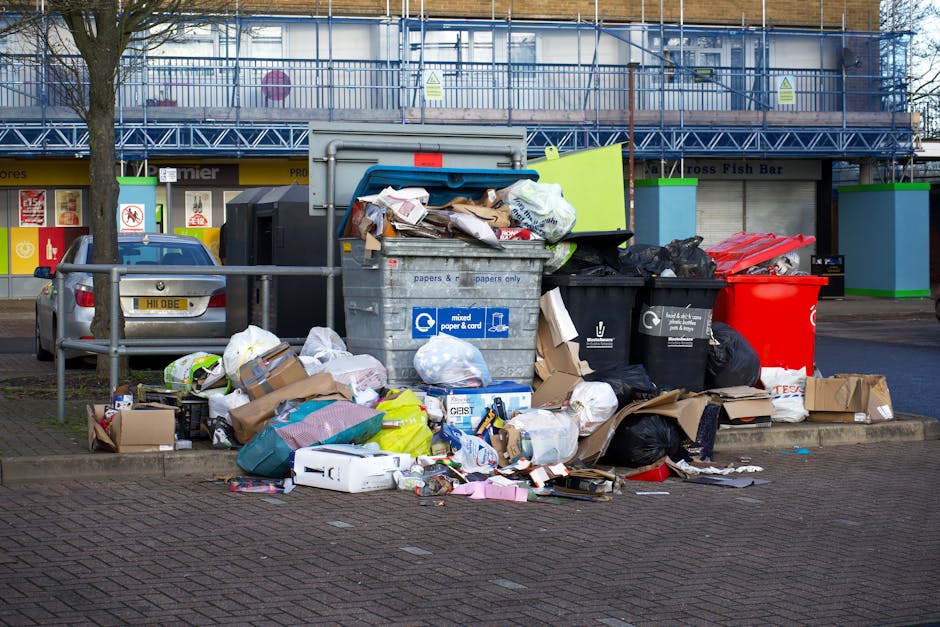
If you need a clear space today, the last thing you want is a missed slot, a surprise surcharge,...

If you live in Hanwell and you are staring at an old sofa, a broken wardrobe, builders' offcuts,...

If you are dealing with Pitzhanger Manor garden rubbish collection Ealing, you are probably not...
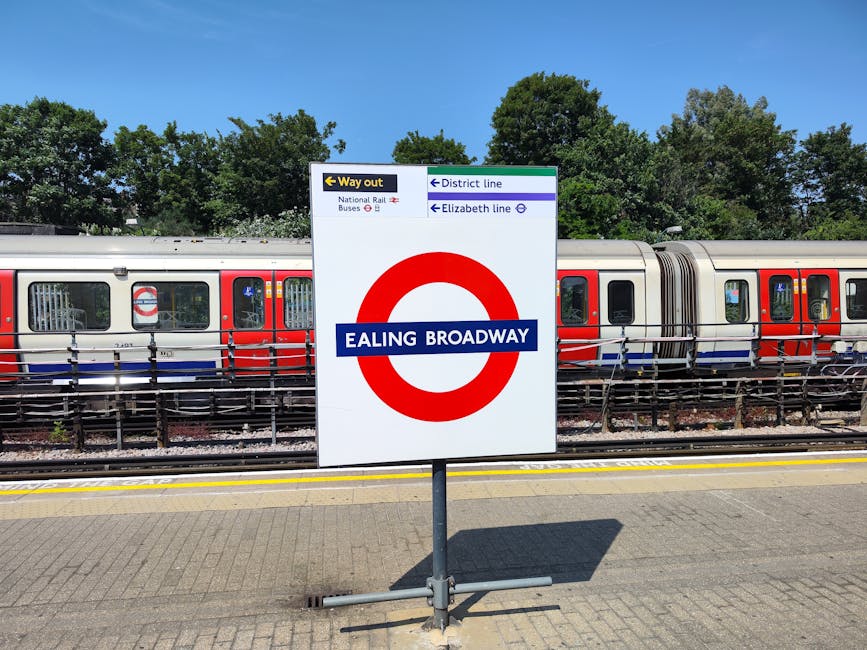
If you are dealing with Ealing Broadway station rubbish removal, chances are you need the job...

When considering purchasing property in London, Ealing frequently emerges as a top contender.

Ealing, a suburban district in West London, is known for its vibrant community and diverse...

Ealing, one of West London's leafy suburbs, has long been a favorite among families, young...

Ealing, located in West London, is known for its picturesque neighborhoods and diverse community....

 (82)
(82)


