Ealing Broadway station rubbish removal
Posted on 19/06/2026
Ealing Broadway station rubbish removal: a practical local guide for quick, compliant clearance
If you are dealing with Ealing Broadway station rubbish removal, chances are you need the job handled quickly, tidily, and without adding stress to an already busy day. That might mean clearing bagged waste after a shop fit-out, removing bulky items left behind by a move, or sorting out mixed rubbish after a one-off clean-up near the station. Whatever the reason, the basics are the same: you want a service that turns up when expected, removes waste safely, and leaves the area looking presentable again.
This guide explains how station-area rubbish removal works, what to expect, who it suits, and the mistakes that can make a simple clearance more awkward than it should be. It also covers practical compliance points, a useful comparison of disposal options, and a simple checklist you can use before booking. Let's face it, around a transport hub there is no room for sloppy handling. The pace is quicker, the footfall is heavier, and the standards need to be a bit sharper.
Why Ealing Broadway station rubbish removal matters
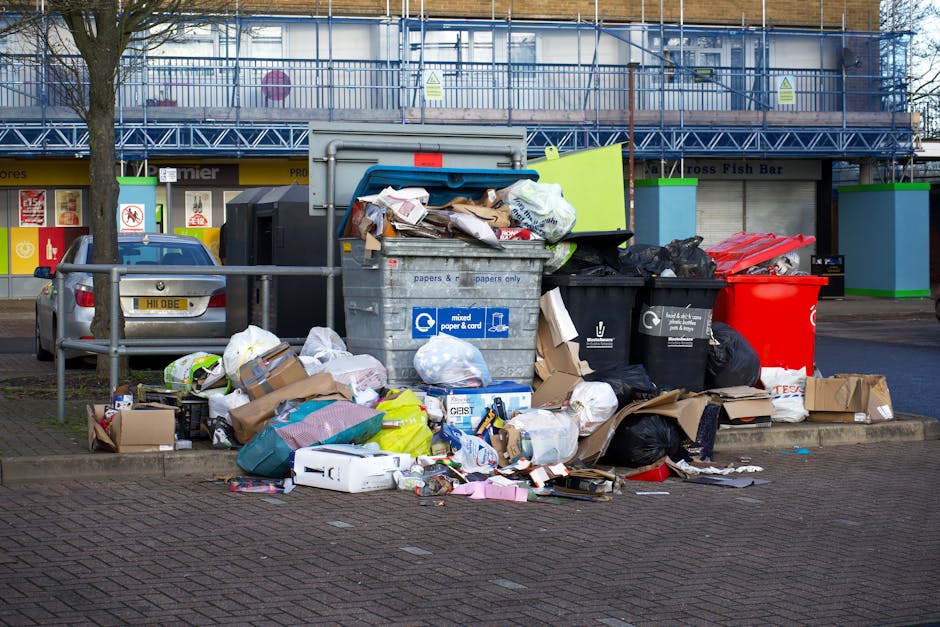
Rubbish removal near a busy station is not just about getting rid of waste. It affects how quickly a space can be used again, how safe the area feels, and whether the work stays within sensible local expectations. Around Ealing Broadway, you will often see a mix of commuter traffic, retail activity, offices, and homes close by. That creates a simple challenge: rubbish can become visible, obstructive, or even a nuisance much faster than in a quieter street.
There is also a practical side. Waste left near entrances, loading points, pavements, or shared access routes can become a problem for pedestrians and businesses alike. Bags split. Cardboard blows about. A small pile turns into a larger one after a few hours. A wet morning does the rest. If you've ever watched a neat corner become messy in about ten minutes, you know the feeling.
For businesses, a tidy frontage matters to customers. For landlords and managing agents, quick removal helps protect the property and keeps tenants happy. For residents, it can be the difference between a stressful clear-out and a smooth one. In our experience, people often wait a little too long before arranging clearance because the waste "doesn't look that bad yet". Then it gets worse. That is how these things go.
If your waste is part of a wider clean-up, it may also help to think about the job in categories. For example, mixed household items may fit better with domestic waste collection in Ealing, while broken furnishings may be better handled through furniture disposal in Ealing. Station-area work often overlaps with both.
Key takeaway: near a station, rubbish removal needs to be fast, discreet, and properly planned. The more visible the location, the more important cleanliness and timing become.
How Ealing Broadway station rubbish removal works
Most rubbish removal jobs near Ealing Broadway follow a fairly simple pattern, though the details depend on the volume and type of waste. The service is usually arranged in advance, a team arrives at the agreed time, the waste is loaded, and the area is swept through afterwards. Sounds straightforward, and it usually is. But the job goes much better when the basics are set out clearly beforehand.
1) Describe the waste accurately
Start by explaining what needs removing. Bagged rubbish, cardboard, boxes, old displays, office clutter, damaged stock, white goods, or bulky furniture each require different handling. If you are not sure how to describe it, take a few photos. That simple step saves time, and usually avoids awkward surprises on arrival.
2) Check access around the station
Access near transport hubs can be the biggest practical issue. There may be loading restrictions, limited stopping space, narrow pavements, or busy foot traffic. If the collection point is inside a building, think about lifts, stairways, basement access, or rear entrances. A job that takes ten minutes in a quiet cul-de-sac can take longer near a station because every movement has to be more careful.
3) Confirm what is being taken
It helps to separate general rubbish from reusable or specialist items. For instance, if the clearance includes bulky household items, a dedicated service such as furniture removal in Ealing may make better sense. If you have appliances, look at white goods and appliance disposal in Ealing. Clear labelling reduces confusion and speeds things up.
4) Agree the service scope
Ask whether the crew will remove waste only, or whether sweeping-up and light tidy work are included too. Some jobs need just lifting and loading. Others benefit from a fuller clearance. If you are dealing with renovation debris, for example, a builders waste disposal in Ealing service may be the better fit. For mixed jobs, a wider waste clearance in Ealing approach can be more efficient.
5) Ensure the waste is taken to the right place
Responsible removal does not end when the rubbish leaves the pavement. It should go through lawful handling, with as much reuse or recycling as possible. If sustainability matters to you, this is where a provider's process really shows. You can also look at the company's recycling and sustainability approach and its wider waste disposal in Ealing standards.
In plain English: the process should be organised, tidy, and traceable. No mystery bags. No wandering piles. No "we'll sort it later" nonsense.
Key benefits and practical advantages
People usually book station-area rubbish removal for one reason - they want a problem solved quickly - but there are several benefits beyond speed.
- Cleaner first impression: a clear frontage or entrance helps a business or property look cared for.
- Less disruption: a professional crew can move waste efficiently without making the area feel chaotic.
- Reduced handling risk: lifting bulky or awkward items yourself can be hard work, and sometimes unsafe.
- Better space use: clearing waste frees up storage rooms, back-of-house areas, or access routes.
- Improved compliance: using a legitimate waste collector helps you avoid casual disposal mistakes.
- More flexible timing: rubbish can often be removed at a time that suits the building, business hours, or tenant schedule.
There is also a softer benefit that people sometimes overlook. A tidy site feels calmer. It makes the next job easier, whether that is reopening a shop, handing back a rental, or just getting your weekend back. Small thing, maybe. But it matters.
If the clearance is part of a larger move or property change, it can be helpful to look at related services too. Home sellers often need a quick reset before photos or viewings, which is where an Ealing house clearance can help. Buyers moving into a new place sometimes need a fast refresh after taking possession, and that overlaps with the practical advice in Buying in Ealing: wise real estate moves.
Who this is for and when it makes sense
This kind of service is useful for a wide mix of people. It is not just for businesses beside the station, although they are often the first to need it.
Local businesses
Retail units, cafes, salons, offices, and small hospitality venues can end up with card, packaging, broken displays, old stock, or general rubbish that needs clearing quickly. If customers see waste at the wrong moment, it can affect how the place feels. Near a station, first impressions matter more than most people admit.
Landlords and managing agents
End-of-tenancy situations often create odd leftovers: bags, small furniture, appliances, and the occasional item nobody wants to claim. A quicker clearance makes turnovers smoother. It also helps with inspections, which is never a bad thing.
Residents and flat owners
If you live close to Ealing Broadway, you may need rubbish removed after a declutter, a refurb, a loft sort-out, or a post-party tidy-up. You may also need to clear bulky household waste that will not fit standard bins. For larger household jobs, a rubbish collection in Ealing service can be the simplest route.
Tradespeople and builders
Small site clearances, packaging waste, and renovation debris often build up faster than expected. If your work is finishing near a station and you need the site to look presentable before handover, removing waste promptly is not optional. It is part of the job.
Event and venue teams
After a function or busy evening, there can be bags, bottles, cardboard, decorations, and general waste to deal with. If you are regularly clearing post-event clutter, you may also find the local context in Ealing's top spots for parties surprisingly relevant, especially when planning for tidy exits and quick resets.
Step-by-step guidance
Here is a simple way to handle the process without overthinking it.
- List the items. Write down what needs to go. Include the awkward bits: broken chairs, damp cardboard, old signage, mixed bags, or appliances.
- Take photos. A few clear pictures from different angles help explain volume and access.
- Check access points. Note whether loading is from the front, rear, stairwell, lift, or courtyard.
- Separate special items. Keep furniture, electricals, and general waste apart where possible.
- Ask about timing. Near a station, collections often need careful scheduling to avoid peak congestion.
- Confirm pricing structure. Make sure you know whether the quote is based on load size, item type, labour, or access difficulty.
- Prepare the site. Move anything you want to keep, clear a route, and make sure the team can get in without delay.
- Walk through the load. When the team arrives, point out anything unusual before lifting starts. It saves faff later.
- Check the finish. Make sure the area is swept and that nothing has been left behind.
- Keep your records. For business or landlord use, keep invoices and any waste documentation together.
That process might sound like a lot on paper. In practice, it is usually pretty quick. A little prep makes a big difference. Honestly, half the stress disappears once the waste is properly identified.
Expert tips for better results
A few small decisions can improve the outcome more than people expect.
- Group similar items together. Mixed loads are fine, but if you can separate furniture, cardboard, and general rubbish, the job often becomes smoother.
- Keep access clear. A tidy route saves time and reduces the chance of knock-on damage.
- Plan around rush periods. Mornings and late afternoons near a station can be busy. Sometimes a slightly earlier or later slot works better.
- Be upfront about awkward waste. Heavy items, sharp edges, and wet materials should never be a surprise.
- Think about the end state. Do you want everything removed, or do you want the space reset for viewings, trading, or handover?
- Use the right service mix. A mixed property clear-out may involve office clearance in Ealing, furniture disposal, and waste clearance all at once.
One more thing: if you are comparing providers, ask how they handle recycling and waste transfer. A concise answer is usually a good sign. A vague one? Less so. You do not need a lecture, just clear process and reassurance.
Common mistakes to avoid
Most problems with station-area rubbish removal are avoidable. The usual culprits are simple, almost annoyingly simple.
- Underestimating volume: one room of clutter often turns into more bags than expected.
- Not checking access: a service can be delayed if a van cannot stop nearby or a lift is too small.
- Mixing everything together: some items need special handling, and a mixed pile can slow things down.
- Leaving it to the last minute: waste near a station can become visible, messy, or annoying very quickly.
- Forgetting hazardous items: paints, solvents, sharps, and certain electricals should be disclosed in advance.
- Using an unverified collector: if waste is handled badly, the original owner can still face headaches later.
Another easy mistake is assuming the cheapest quote is always the best one. It often isn't. A slightly better planned service may save time, avoid repeat visits, and leave you with less tidying to do afterwards. That is real value, even if it does not sound exciting.
Tools, resources and recommendations
You do not need specialist equipment for most small-to-medium clearances, but a few practical tools help.
- Phone camera: use it to document the waste and access route.
- Labels or tape: useful for marking items to keep, remove, or check later.
- Gloves and sturdy shoes: sensible if you are moving items before the team arrives.
- Spare bags or boxes: handy for loose, light waste that needs grouping.
- Access notes: write down gate codes, loading points, or building entry instructions.
For service planning and trust-building, these pages are worth reviewing if you want a better sense of how the company works: services overview, about us, pricing and quotes, and payment and security. If you want to understand how waste handling is managed more broadly, the waste carrier licence and compliance information is especially useful.
There are also practical support pages that matter more than people think. If you need to check important policy information, insurance and safety, terms and conditions, privacy policy, and cookie policy can give useful reassurance. Slightly boring, yes. Still worth a look.
Law, compliance, standards and best practice
Waste removal in the UK is not something to treat casually. You do not need to become an expert in regulations just to clear some rubbish, but you should know the basics.
The key principle is simple: waste should be collected and carried by a legitimate operator, and it should be handled in a way that reflects responsible industry practice. For businesses, landlords, and managing agents, that matters even more because poor disposal can create avoidable exposure. Good documentation, clear item descriptions, and proper handling all reduce risk.
Best practice also means being honest about what is being removed. If there is mixed waste, bulky waste, electrical items, or anything potentially hazardous, disclose it early. That helps the collection team plan correctly and avoid unsafe handling. It also protects you from awkward last-minute changes. Nobody enjoys those.
For station-area work, there is a practical safety angle too. Routes should be kept clear, lifting should be sensible, and waste should not be left where it blocks pedestrian flow. In plain English, tidy the route first, move the waste second. That order matters.
If sustainability is part of your decision-making, ask how items are sorted for reuse, recycling, or disposal. Responsible handling is not just a nice extra. It is the standard people should expect. If a provider can explain the process clearly, that is usually a very good sign.
Options, methods, and comparison table
There is more than one way to handle rubbish around Ealing Broadway. The right option depends on volume, access, urgency, and the type of waste. Here is a useful comparison.
| Method | Best for | Advantages | Watch-outs |
|---|---|---|---|
| Bagged waste collection | Small clear-outs, light general waste | Quick, simple, minimal fuss | Not ideal for bulky or heavy items |
| Bulky item removal | Furniture, appliances, oversized items | Good for awkward objects, saves lifting stress | Needs accurate item details and access notes |
| Mixed waste clearance | Rooms, flats, offices, or shop clear-outs | Flexible and efficient for varied loads | Can be harder to estimate if items are not listed well |
| Specialist builders waste disposal | Renovations, refurbishments, site clean-ups | Useful for rubble, packaging, and trade debris | May need more careful planning and separation |
| Full house or office clearance | Big moves, end-of-tenancy, inheritance or fit-out work | Comprehensive, saves time and repeat bookings | Requires clearer scope and often more time on site |
If you are unsure which route fits your job, start with the simplest question: what kind of waste do you actually have, and how quickly do you need it gone? That answer usually narrows things down fast.
Case study or real-world example
A small office near Ealing Broadway needed a quick clearance after consolidating two workspaces. The team had old chairs, broken shelving, cardboard, a couple of white goods, and mixed bagged rubbish left in a rear room. On paper it looked manageable. In reality, the narrow access route and shared entryway made timing important.
The job went smoothly because the client did three things well. First, they sent photos before booking. Second, they separated obvious bulky items from general waste. Third, they cleared the corridor the day before, so the crew could move without squeezing past boxes and half-finished tea mugs. A very British solution, that last one.
The result was straightforward: the clearance was completed in one visit, the floor was left usable again, and the business could reopen the workspace without delay. The lesson is simple. Good prep is not glamorous, but it saves time and money. Usually both.
Practical checklist
Use this checklist before booking or on the day of collection.
- List every item that needs removing
- Take a few clear photos of the waste and access route
- Note any stairs, lifts, gates, loading restrictions, or tight corners
- Separate furniture, appliances, and general rubbish where possible
- Flag anything heavy, sharp, wet, or unusual
- Confirm the preferred time window
- Move items you want to keep out of the clearance area
- Make sure the route is safe and uncluttered
- Ask whether sweeping-up is included
- Keep records if the job is for a business, landlord, or managed property
That is the sort of checklist that prevents little problems from becoming annoying ones. Nothing fancy. Just solid housekeeping.
Get a free quote today and see how much you can save.
Conclusion
Ealing Broadway station rubbish removal is all about getting the job done cleanly, quickly, and with proper care for the space around it. Near a station, waste can become a visual and practical problem faster than people expect, so a well-planned collection makes a real difference. Whether you are clearing a business unit, a flat, a tenancy, or a small amount of bulky rubbish, the same principles apply: be clear about the waste, confirm access, choose the right service, and insist on responsible handling.
Done well, the process is calm and almost boring in the best possible way. No drama, no mess left behind, no chasing people for basic answers. Just the relief of seeing the space clear again, which is underrated, honestly.
If you are ready to move from clutter to clear ground, the next step is simple: get your waste described properly, check the access, and book a collection that fits the job rather than fighting against it. Small win. Big difference.


 Tipper Van - Rubbish Removal and Attic Clearance Prices in Ealing, W5
 Luton Van - Rubbish Removal and Attic Clearance Prices in Ealing, W5


