Pitzhanger Manor garden rubbish collection Ealing
Posted on 14/07/2026
Pitzhanger Manor garden rubbish collection Ealing: a practical guide for tidy, stress-free clearances
If you are dealing with Pitzhanger Manor garden rubbish collection Ealing, you are probably not just trying to "get rid of some waste". You may be clearing after seasonal pruning, a one-off garden tidy, a property maintenance job, or a larger outdoor refresh where branches, soil, bags of cuttings, and old garden bits have piled up faster than expected. It happens. One afternoon of hard work and suddenly the patio looks like a small depot.
This guide explains how garden rubbish collection near Pitzhanger Manor and across Ealing typically works, what to expect, where the common snags are, and how to make the whole thing easier. You will also find a practical checklist, a comparison table, and straightforward advice on compliance, recycling, and avoiding the classic mistakes that slow everything down.
For readers who want a wider view of the area as a place to live and work, the local picture is worth understanding too. Articles like Ealing's blend of culture, nature and community and what locals say about living in Ealing give useful context on why outdoor spaces here matter so much.
Why Pitzhanger Manor garden rubbish collection Ealing matters
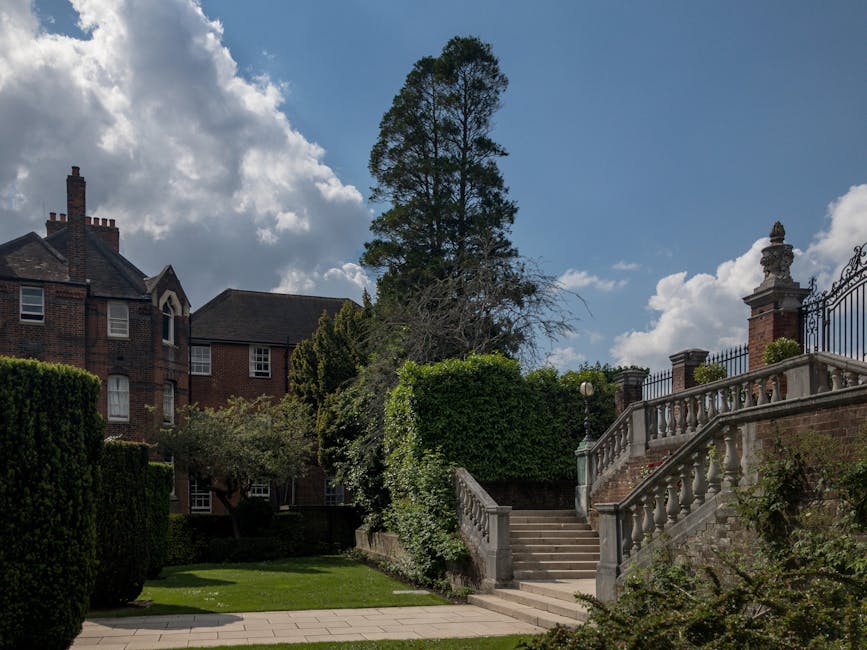
Pitzhanger Manor sits in one of Ealing's most recognisable and well-loved green settings, so garden waste here is not just "rubbish" in the plainest sense. It often comes from spaces that are carefully kept, visible, and used by families, visitors, neighbours, or tenants. When garden waste is left stacked, bagged badly, or mixed with general rubbish, the whole space can feel untidy very quickly.
That matters for a few reasons. First, it affects appearance. Second, it can attract pests or create damp, slippery patches after rain. And third, if you are handling waste from a managed property, a rental, or a business setting, delays can create unnecessary friction. Nobody wants a tidy garden project to turn into a logistics puzzle.
There is also a practical timing issue. Garden waste tends to be bulky, awkward, and a bit unpredictable. One pile of hedge cuttings can be light but enormous; another can be heavy with soil and roots. If you are near the manor, or anywhere in central Ealing where access, parking, and foot traffic can all play a role, planning the collection properly saves time and avoids headaches.
To be fair, most people only think about waste removal when the job is nearly done. That is understandable. But the better approach is to plan the clearance at the same time as the gardening itself. It keeps the site safer, cleaner, and far less stressful.
How Pitzhanger Manor garden rubbish collection Ealing works
Garden rubbish collection usually follows a simple pattern, though the details vary depending on how much waste you have and how easy it is to access. In most cases, a collection team will assess the load, confirm the type of waste, and arrange a suitable vehicle and crew. Then the garden waste is loaded, swept up, and taken away for sorting or recycling where possible.
For a small domestic job, that may mean bagged leaves, prunings, and a few broken plant pots. For a larger clearance, it can include tree branches, turf, old fencing offcuts, and miscellaneous outdoor waste that has built up over time. The key is clarity. The more clearly you separate the material, the smoother the collection tends to be.
Where access is tight, collection teams often need to plan around narrow paths, basement gardens, shared entrances, or busy roads. In Ealing, that can be the difference between a job that takes twenty minutes and one that takes longer because of loading distance or parking constraints. Not a disaster, just something to account for.
If you are comparing services more broadly, it can help to look at the wider offer on the services overview and the specific garden waste removal in Ealing page so you understand what is usually covered and what is not.
Key benefits and practical advantages
When garden rubbish is removed properly, the benefits are immediate and quite visible. The space looks better, yes, but there is more to it than appearance.
- Cleaner outdoor space: once the waste is gone, you can actually see the garden again. Simple, but satisfying.
- Safer access: fewer trip hazards, fewer sharp edges, less chance of slipping on wet cuttings or loose debris.
- Faster project turnaround: if waste is cleared promptly, the next job can start without delay.
- Less strain on you: lifting, bagging, and moving garden waste is often harder work than people expect.
- Better recycling outcomes: green waste can often be separated from mixed rubbish and handled more responsibly.
There is a less obvious benefit too: peace of mind. A garden full of half-finished rubbish has a way of hanging over you. You keep looking at it from the window, telling yourself you will sort it tomorrow. Then next weekend comes, and the pile is still there. A proper collection ends that loop.
For people balancing home improvements with a sale or purchase, local planning matters as well. If you are selling, tidy external spaces help the house feel cared for; if you are buying, it helps to understand the practical side of upkeep. The local guides on selling a home in Ealing and wise real estate moves in Ealing are useful companions to that thinking.
Who this is for and when it makes sense
This kind of service is for anyone with more garden waste than they can sensibly handle themselves. That includes homeowners, landlords, tenants with permission, gardeners, maintenance teams, and people managing properties around Ealing's busier pockets.
It makes sense when:
- you have more waste than your normal bins can take;
- you do not want green bags sitting out for days;
- you are clearing after hedge cutting, tree pruning, or turf removal;
- you need a same-day or near-term collection;
- the waste includes awkward mixed items, not just leaves and grass;
- you want the job done with less mess and less lifting.
It is also useful after events or property preparation. For example, if a garden has been used for a gathering or a summer party, there may be a mix of leaves, packaging, broken plant supports, and general outdoor debris. A similar issue can appear after a property has stood empty for a while. In a neighbourhood as active as Ealing, that is not unusual at all.
And yes, sometimes the job is embarrassingly ordinary: a few overgrown shrubs, a compost heap that got out of hand, and one rusted chair no one remembers putting there. Happens all the time.
Step-by-step guidance
If you want a smooth garden rubbish collection, keep it structured. A little prep saves a lot of back-and-forth.
- Walk the garden first. Identify what is being removed and what is staying. Separate cuttings, branches, soil, and any non-green waste.
- Remove obvious hazards. Put away tools, clear sharp objects, and make sure access paths are not blocked.
- Bag or stack sensibly. Light waste like leaves can go in sacks; branches are easier to handle when tied or grouped by size.
- Check access. Gates, side passages, parking space, and stairways all matter, especially around busier parts of Ealing.
- Confirm the waste type. If there is timber, soil, old pots, or mixed debris, mention it early so the right vehicle and crew can be arranged.
- Book a collection window that fits the job. If the garden is still being cut back, don't book so early that the waste pile keeps growing after the crew arrives.
- Do a final sweep. Once the load is gone, check for nails, wire, broken glass, or loose compost that may have been hidden underneath.
That last step matters more than people think. The garden can look done at a glance, but there is usually a small trail of fine debris left behind. A quick sweep makes a visible difference.
Expert tips for better results
After enough clearances, a few patterns become obvious. The simplest jobs are usually the ones where the customer has sorted the waste in a sensible, human way before collection day.
Tip 1: Keep green waste separate from mixed rubbish if you can. It often makes handling easier and can support better recycling outcomes. If everything is thrown into one heap, sorting becomes slower and messier.
Tip 2: Break down bulky cuttings before they get wet. Wet garden waste gets heavier, and in London weather that can happen quicker than you'd like.
Tip 3: Mention access constraints up front. A narrow side return, shared driveway, or restricted parking bay can change the whole plan. Better to say it early than improvise on the day.
Tip 4: Keep soil and rubble separate where possible. Garden waste and inert waste are not always handled the same way, and mixing them can complicate the load.
Tip 5: If the garden is part of a property showing, a tenant handover, or a managed building, aim for one clean sweep rather than several small removals. It usually looks and feels more professional.
There is also a timing tip that sounds obvious but gets overlooked: collect after the cutting, not before. Sounds silly, but it saves money and a second round of lifting. Human nature, really.
Common mistakes to avoid
Most problems come from small planning errors, not huge ones. The good news is they are easy to avoid once you know what to watch for.
- Mixing waste types: garden cuttings, old furniture, and rubble all in one pile can complicate disposal.
- Underestimating volume: branches and hedge trimmings look smaller when compressed, then suddenly expand in the driveway.
- Leaving waste bags in awkward places: if the crew cannot reach them quickly, the job takes longer than it should.
- Forgetting about wet weight: damp clippings are much heavier than dry ones.
- Not checking if anything is restricted: some items need special handling, especially if they are contaminated or mixed with non-garden materials.
- Booking too late: if the waste pile is already causing a nuisance, waiting another week rarely improves matters.
Practical takeaway: the best garden rubbish jobs are the ones where the waste is visible, separated, and easy to reach. If the crew has to guess, the whole thing gets slower and pricier. If they can see the job clearly, it usually goes smoothly.
Tools, resources and recommendations
You do not need a truckload of equipment to prepare for garden rubbish collection, but a few simple things help a lot.
- Heavy-duty garden sacks: useful for leaves, small cuttings, and light debris.
- Tarpaulin or sheet: good for keeping a pile together and reducing mess on paving.
- Secateurs, loppers, and a pruning saw: helpful if you are cutting waste down to a manageable size before collection.
- Gloves and sturdy footwear: no drama here, just basic common sense.
- Broom or leaf blower: for the final clean-up once the load is removed.
If you want to understand what the company can handle beyond garden waste, the broader pages on rubbish collection in Ealing and waste disposal in Ealing are useful starting points. For larger clearances, the waste clearance Ealing page can be helpful too.
If your garden project is part of a bigger house or property clean-up, you may also want to look at house clearance in Ealing or loft clearance in Ealing. It is sometimes all one job from a practical point of view, even if it starts in the garden.
Law, compliance, standards and best practice
Garden waste removal is fairly straightforward, but there are still sensible compliance points to keep in mind. In the UK, waste should be collected and handled by a carrier that is properly authorised and follows expected disposal standards. That matters because once waste leaves your property, you still want it handled responsibly.
Best practice usually includes:
- keeping waste types separated where practical;
- using a clear record of what was collected;
- avoiding fly-tipping by choosing a responsible collector;
- making sure recyclable material is sent for suitable processing where possible;
- handling any hazardous or unusual items separately.
If you are comparing providers, the page on waste carrier licence and compliance is a sensible read because it explains why proper documentation and authorised handling matter. For sustainability-minded readers, recycling and sustainability is also relevant, especially if you want green waste to be managed thoughtfully.
One small but important point: if the waste includes contaminated material, soil mixed with building debris, or anything unusual, it is better to flag that early. Guessing is not a strategy. It just creates delays.
Options, methods and comparison table
There are usually three realistic ways to deal with garden waste around Pitzhanger Manor and the wider Ealing area. The right choice depends on volume, access, and how quickly you need the space cleared.
| Method | Best for | Pros | Watch-outs |
|---|---|---|---|
| Small DIY bagging | Light pruning, leaves, small tidy-ups | Cheap, flexible, simple | Time-consuming, awkward for heavy loads, limited capacity |
| Regular bin or kerbside-style disposal | Very limited waste volumes | Convenient for minor jobs | Often too small for larger clearances, can leave waste waiting around |
| Professional garden rubbish collection | Mixed loads, bulky waste, time-sensitive clearances | Fast, less lifting, more efficient for larger jobs | Needs clear access and accurate description of waste |
For many readers, the third option is the most practical. If the garden waste is more than a few sacks, or if you are already juggling work, family, or a property deadline, it usually makes sense to remove it in one go.
If the job overlaps with other items that need moving, the related services for furniture removal in Ealing and furniture disposal in Ealing may also be useful. In real life, garden clearances and household clearances often spill into each other a bit.
Case study or real-world example
A typical local scenario goes something like this. A homeowner near a well-kept Ealing property has spent a Saturday morning cutting back a hedge, pulling out old plants, and tidying the rear boundary. By lunchtime the garden looks better, but the waste pile is awkward: two large sacks of clippings, several branch bundles, some old terracotta pots, and a broken wooden trellis. Nothing dramatic. Just too much for the boot of a car and too messy to leave.
Rather than stretching the job over several days, the waste is sorted into green material and mixed items, then collected in one visit. The result is immediate. The paving is visible again, the side return is clear, and the property looks ready for the next stage of work. That last part matters if the garden is being prepared for a viewing, a family gathering, or simply a quiet summer evening outside with a cup of tea.
Another common example is a landlord or managing agent dealing with overgrowth after a tenancy change. In that case, a speedy collection keeps the outside space presentable for the next occupant and prevents the garden becoming a source of complaints. Bit dull, maybe. But important.
Local event-related use can also crop up. After a gathering, especially in busy parts of Ealing, outdoor waste may include plant debris, food packaging, broken bits from decorations, and leftover clutter. If you want a broader local read on event spaces, Ealing's top spots for parties is a useful related article.
Practical checklist
Use this checklist before arranging collection. It keeps the process simple and, honestly, saves a few last-minute panics.
- Have I separated garden waste from general rubbish?
- Are branches, clippings, and soil grouped in a sensible way?
- Is the access route clear from the garden to the collection point?
- Have I noted any tight gates, steps, or parking restrictions?
- Are there any items that need special handling?
- Have I swept up obvious loose debris after bagging?
- Do I know roughly how much waste there is?
- Is the collection timed after the gardening work is actually finished?
- Do I want the same team to handle other waste at the same time?
- Have I checked the provider's compliance and safety information?
If you are also planning to clear out another part of the property, you may want to read the pages on commercial waste removal in Ealing, domestic waste collection in Ealing, or builders waste disposal in Ealing. These are especially useful when the garden work is part of a bigger project, like landscaping after renovations.
Get a free quote today and see how much you can save.
Conclusion
Pitzhanger Manor garden rubbish collection Ealing is really about keeping a beautiful outdoor space usable, safe, and easy to enjoy. Whether you are tidying after pruning, clearing a property between uses, or sorting out a bigger garden refresh, the same principles apply: separate the waste, plan access carefully, and choose a collection method that matches the size of the job.
The best outcomes come from simple preparation. Not perfection, just a bit of order. Once the waste is gone, the space changes immediately. It feels calmer. Cleaner. Ready again.
And that is usually the point, isn't it?


 Tipper Van - Rubbish Removal and Attic Clearance Prices in Ealing, W5
 Luton Van - Rubbish Removal and Attic Clearance Prices in Ealing, W5


