
07/10/2026
If you have ever asked for a rubbish collection quote and then felt that little knot in your...
Waste Disposal Ealing provides efficient and responsible office clearance services for businesses and home offices across Ealing. From modern offices along Uxbridge Road to small workspaces in Victorian terraces near South Ealing, we clear, sort, and remove unwanted items with care and professionalism. Our team also specialises in flat clearance, supporting landlords, tenants, and managing agents in converted buildings and purpose-built blocks across the borough.
Whether you need a full strip-out of an entire floor or a partial clearance to make space for new furniture, we work around your schedule to minimise disruption. Every clearance is handled with a strong focus on recycling and ethical disposal, so you know your office or flat is being cleared in a responsible way.
We deliver tailored office clearance solutions for businesses of every size, from small studios in converted houses near Ealing Common to large open-plan offices close to Ealing Broadway and along The Mall. Our service covers everything you need to empty or refresh your workspace safely and efficiently.
Full office clearance is ideal when you are relocating, closing a site, or completely refurbishing. We can remove desks, chairs, filing cabinets, boardroom furniture, reception counters, storage units, and general office contents from single rooms, multiple floors, or entire buildings. Our team understands the layout challenges of older terraces and mixed-use buildings, and we carefully manage access and parking to keep the process smooth.
Partial office clearance is perfect when you are reorganising or downsizing. If you are replacing old furniture, clearing redundant IT equipment, or freeing up storage rooms filled with outdated documents and office supplies, we will remove only the items you no longer need. We work around your staff and daily operations, planning clearances outside peak hours where possible.
Alongside commercial offices, we also provide comprehensive flat clearance services throughout Ealing. From purpose-built flats near West Ealing station to converted maisonettes off Northfields Avenue and mansion blocks around Hanger Lane, we understand the specific needs and access issues that come with apartment living.
If you have a home office in a top-floor flat, live in a converted Victorian or Edwardian terrace, or manage rentals in larger estates, we can clear work areas, storage cupboards, loft spaces, and communal areas. Our team is well used to narrow staircases, lift restrictions, and controlled parking zones, and we plan each flat clearance to avoid disruption to neighbours and managing agents.
We clear furniture, electrical items, paperwork, and general household clutter, always separating items for reuse, donation, and recycling wherever possible. This makes our flat clearance service particularly useful for end-of-tenancy clearances, pre-sale preparations, or when a long-term tenant has left large volumes of belongings behind.
Probate clearances require sensitivity, respect, and careful organisation. Waste Disposal Ealing supports families, executors, and solicitors with probate clearance for both residential flats and small business premises across Ealing. This can include home offices in family properties off Pitshanger Lane, basement workspaces in older terraces, or small commercial units on local parades.
We can work from your instructions or inventory lists, ensuring that important documents, personal belongings, and items of sentimental or financial value are placed to one side for review. Remaining furniture, equipment, and general contents are then sorted for donation, recycling, or ethical disposal.
Our team can coordinate multiple visits if needed, which is particularly helpful when clearing larger properties or a combination of flat and storage areas such as garages and lock-ups. We always aim to make probate clearances as straightforward and stress-free as possible for everyone involved.
Our office and flat clearance services are built around maximum reuse and recycling. Offices in Ealing often replace desks, task chairs, pedestals, and meeting tables long before they are worn out. We aim to give these items a second life rather than sending them directly to landfill.
During every clearance, our team sorts furniture and equipment on site. Items that are suitable for reuse are separated from those that must be recycled. Where possible, we dismantle large furniture to allow for efficient transport and to improve the quality of recycling.
Commonly recycled items include office desks and tables, metal and wooden cabinets, shelving, reception counters, bookcases, and office chairs. For flat clearances, we recycle wardrobes, bed frames, chests of drawers, sofas, and dining sets from apartments in and around Ealing, from high-rise blocks to smaller converted buildings. Electrical items such as printers, monitors, computers, and kitchen appliances are treated as electronic waste and directed into appropriate recycling streams.
Many items removed from offices and flats still have years of use left in them. Waste Disposal Ealing works with local donation partners and community organisations to divert suitable furniture and equipment away from disposal. This approach benefits local charities, community projects, and low-income households, while also helping businesses and landlords demonstrate a clear commitment to social responsibility.
When clearing a modern office near Ealing Broadway or a compact home workspace in a flat near South Ealing station, we actively look for items that may be useful to others, such as good-quality desks, intact storage units, meeting room furniture, and usable whiteboards. In flat clearances, we prioritise clean sofas, dining sets, bookshelves, and basic household items that can be passed on.
Where it is practical, we can provide a record of the volume of items sent for reuse and donation. This is particularly valuable for larger companies, housing associations, and managing agents who need to demonstrate sustainable practices in office clearance and flat clearance projects.
Ethical disposal is at the heart of our office and flat clearance work in Ealing. We operate in line with waste disposal regulations and follow strict processes for handling and transporting all materials collected from your premises. Our priority is always to avoid landfill wherever alternatives are available.
After reuse and donation options have been explored, we ensure that all remaining items are sent to licensed waste transfer and recycling facilities. Materials such as metals, wood, plastics, and cardboard are separated and processed in line with environmental standards. Sensitive documents and paper records can be securely removed for shredding and recycling, helping you meet your data protection obligations.
Our services are suitable for a wide range of properties across the area, including shared office spaces above shops, small studios in terraces, larger corporate floors in modern blocks, and flats in both older conversions and newer estates. Regardless of building type, we approach every clearance with the same commitment to ethical, compliant, and transparent disposal.
From busy commercial streets to quiet residential roads, Ealing offers a mix of office spaces and flats, and our clearance services have been developed around this variety. We are familiar with the challenges of loading from tight side roads, working within parking controls near stations, and navigating communal entrances in blocks of flats.
Whether you are an office manager on Uxbridge Road, a landlord with a flat in a converted building near Ealing Common, or an executor needing a probate clearance in a maisonette off Northfields Avenue, Waste Disposal Ealing can provide a professional, reliable, and responsible clearance service. Full or partial, urgent or scheduled in advance, we tailor every job to suit your property and your priorities.
To arrange an office or flat clearance in Ealing, get in touch with our team and tell us about your building type, the volume of items, and any specific recycling or donation goals you may have. We will plan a clearance that respects your time, your property, and the environment.

GET A FREE QUOTE
Professionals who deliver high quality and eco-friendly services!
Our waste disposal Ealing won’t charge you extortionate prices if you book a service today!
 Tipper Van - Rubbish Removal and Attic Clearance Prices in Ealing, W5
| Space іn the van | Loadіng Time | Cubіc Yardѕ | Max Weight | Equivalent to: | Prіce* |
| Minimum Load | 10 min | 1.5 | 100-150 kg | 8 bin bags | £90 |
| 1/4 Load | 20 min | 3.5 | 200-250 kg | 20 bin bags | £160 |
| 1/2 Load | 40 min | 7 | 500-600kg | 40 bin bags | £250 |
| 3/4 Load | 50 min | 10 | 700-800 kg | 60 bin bags | £330 |
| Full Load | 60 min | 14 | 900-1100kg | 80 bin bags | £490 |
*Our rubbish removal prіces are baѕed on the VOLUME and the WEІGHT of the waste for collection.
 Luton Van - Rubbish Removal and Attic Clearance Prices in Ealing, W5
| Space іn the van | Loadіng Time | Cubіc Yardѕ | Max Weight | Equivalent to: | Prіce* |
| Minimum Load | 10 min | 1.5 | 100-150 kg | 8 bin bags | £90 |
| 1/4 Load | 40 min | 7 | 400-500 kg | 40 bin bags | £250 |
| 1/2 Load | 60 min | 12 | 900-1000kg | 80 bin bags | £370 |
| 3/4 Load | 90 min | 18 | 1400-1500 kg | 100 bin bags | £550 |
| Full Load | 120 min | 24 | 1800 - 2000kg | 120 bin bags | £670 |
*Our rubbish removal prіces are baѕed on the VOLUME and the WEІGHT of the waste for collection.
If you have ever asked for a rubbish collection quote and then felt that little knot in your...
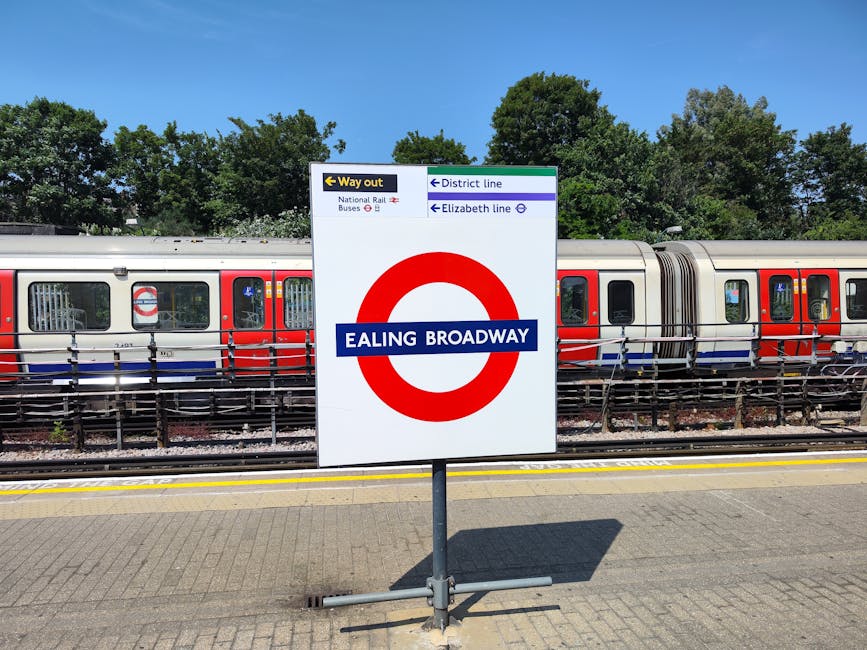
If you need a clear space today, the last thing you want is a missed slot, a surprise surcharge,...

If you live in Hanwell and you are staring at an old sofa, a broken wardrobe, builders' offcuts,...

If you are dealing with Pitzhanger Manor garden rubbish collection Ealing, you are probably not...
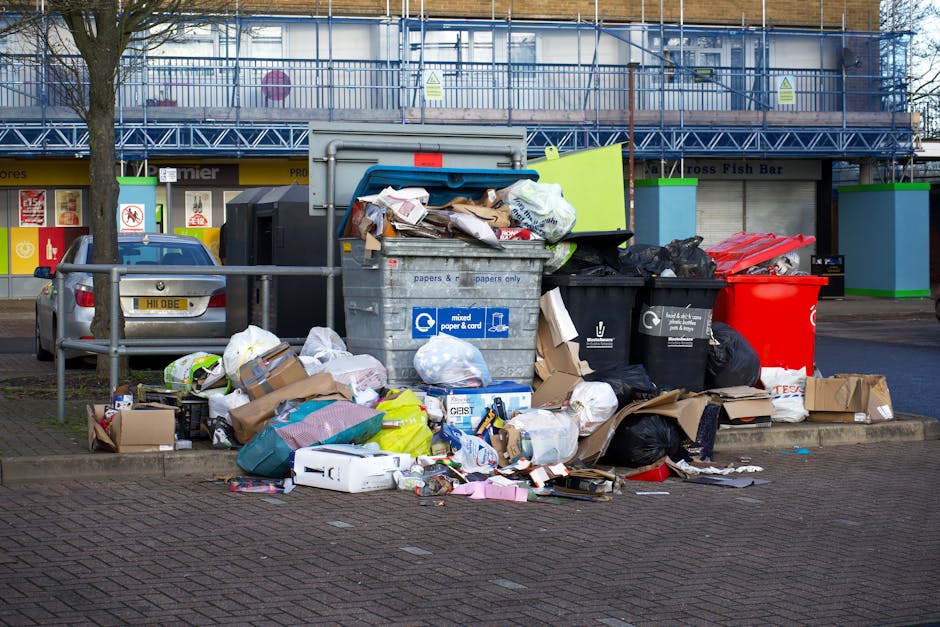
If you are dealing with Ealing Broadway station rubbish removal, chances are you need the job...

When considering purchasing property in London, Ealing frequently emerges as a top contender.

Ealing, a suburban district in West London, is known for its vibrant community and diverse...

Ealing, one of West London's leafy suburbs, has long been a favorite among families, young...

Ealing, located in West London, is known for its picturesque neighborhoods and diverse community....

 (82)
(82)


